

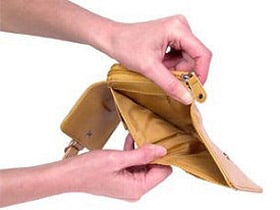
 U wilt toch geen dief zijn van uw eigen portemonnee? Tijd om uzelf te verlossen van te hoge energiekosten, want veel Nederlanders betalen vandaag de dag nog steeds veel te veel voor energie in hun
huishouden of bedrijf. Waar overstappen vroeger ‘tientjes werk’ was, kan het nu een verschil van honderden euro’s maken om naar een andere leverancier te gaan. Als onafhankelijke
energievergelijker helpen wij u graag op een gemakkelijke en snelle manier de kosten voor energie te vergelijken. Op deze manier kunt u snel de keuze voor de beste en meest
voordelige energiemaatschappij maken en kunt u tot €400,- besparen. Zo houdt u geld over om andere leuke dingen te doen.
U wilt toch geen dief zijn van uw eigen portemonnee? Tijd om uzelf te verlossen van te hoge energiekosten, want veel Nederlanders betalen vandaag de dag nog steeds veel te veel voor energie in hun
huishouden of bedrijf. Waar overstappen vroeger ‘tientjes werk’ was, kan het nu een verschil van honderden euro’s maken om naar een andere leverancier te gaan. Als onafhankelijke
energievergelijker helpen wij u graag op een gemakkelijke en snelle manier de kosten voor energie te vergelijken. Op deze manier kunt u snel de keuze voor de beste en meest
voordelige energiemaatschappij maken en kunt u tot €400,- besparen. Zo houdt u geld over om andere leuke dingen te doen.
Energie vergelijken belangrijker dan ooit
 De Nederlandse energiebedrijven zijn onderdeel van de Europese energiemarkt, waar alles draait om gas-, warmte- en elektriciteitslevering. Binnen de Europese markt moeten alle energiebedrijven met
elkaar concurreren. Dit doen ze met name met de hoogte van hun tarieven, maar ook door steeds agressievere reclamecampagnes. Op de Europese energiemarkt komen er bovendien voortdurend nieuwe
spelers bij, waardoor de concurrentiestrijd nog heviger wordt.
De Nederlandse energiebedrijven zijn onderdeel van de Europese energiemarkt, waar alles draait om gas-, warmte- en elektriciteitslevering. Binnen de Europese markt moeten alle energiebedrijven met
elkaar concurreren. Dit doen ze met name met de hoogte van hun tarieven, maar ook door steeds agressievere reclamecampagnes. Op de Europese energiemarkt komen er bovendien voortdurend nieuwe
spelers bij, waardoor de concurrentiestrijd nog heviger wordt.
Op 1 juli 2012 zijn de energieprijzen in Nederland wederom gestegen. Dit heeft tot een recordaantal overstappers geleid. In het Lente-akkoord is een verhoging van de energiebelasting en invoering van kolenbelasting opgenomen. Deze maatregelen kunnen voor sommige huishoudens tot een stijging van €160,- op de energierekening leiden. Juist door deze maatregelen is het belangrijker dan ooit om voor de voordeligste en betrouwbaarste energiemaatschappij te kiezen. In Nederland bent u vrij om over te stappen naar een andere energiemaatschappij en uit onderzoek is gebleken dat de kosten voor energie ook daadwerkelijk de belangrijkste reden is om over te stappen.
De strijd om de consument is bij energieleveranciers nog nooit zo groot geweest en ze geven gigantische bedragen uit aan reclamecampagnes om u ervan te overtuigen dat zij de goedkoopste zijn. Het is dus helemaal niet vreemd als u door de bomen het bos niet meer ziet. Energievergelijker helpt u hier een handje bij.
Uw onafhankelijke energievergelijker
Prijzen voor energie vergelijken lijkt heel gemakkelijk, het kan immers op diverse sites en andere platformen. Veel van deze vergelijkingssites zijn echter niet zo onafhankelijk als ze doen voorkomen. Vaak zitten er energiemaatschappijen achter die natuurlijk zichzelf als beste uit de vergelijking laten komen. U laat uzelf niet zoor de gek houden, daarom maakt u verschillende vergelijkingen op verschillende sites, leest u de voorwaarden goed en vraagt u rond in uw kennissenkring om achter ervaringen met maatschappijen te komen. Energievergelijker is de eerste site die u bezoekt voor een onafhankelijke vergelijking van energiekosten.
Niet alleen de kosten zijn van belang in uw keuze voor een energieleverancier. U wilt ook de kwaliteit van de maatschappij en hun levering van energie vergelijken. Hoe lost een energiemaatschappij problemen op, hoe is het gesteld met de klantenservice en wat wordt er gedaan in het geval van een storing? Dit zijn allemaal kwesties die naast de prijs van de energie mee kunnen spelen in uw keuze. Om hier achter te komen is het ten zeerste aan te raden gebruikerservaringen van anderen wat betreft energieleveranciers te lezen. Dit kunt u op het internet relatief gemakkelijk doen door reviews te lezen. Bovendien kunt u natuurlijk uw naaste omgeving raadplegen om kennis te maken met hun ervaringen. De energievergelijker maakt het u gemakkelijk en geeft u een overzicht van de Nederlandse energiemaatschappijen en hun prijzen.
Nuttige links:
- ConsuWijzer.nl overzicht energieleveranciers
- Milieucentraal.nl energie besparen
- Energievergelijker: eenvoudig diverse aanbieders vergelijken
- Energiemaatschappijen